How to Get to Mt. Fuji from Tokyo in Just 1 Hour
Last Updated: June 9, 2026

— Many travelers associate Mt. Fuji with Kawaguchiko,
but there is another convenient gateway that many international visitors overlook.
Shin-Fuji Station, located on the Tokaido Shinkansen line,
is only about 1 hour from Tokyo
and offers easy access to Mt. Fuji views,
local cultural experiences, and even Mt. Fuji climbing routes.
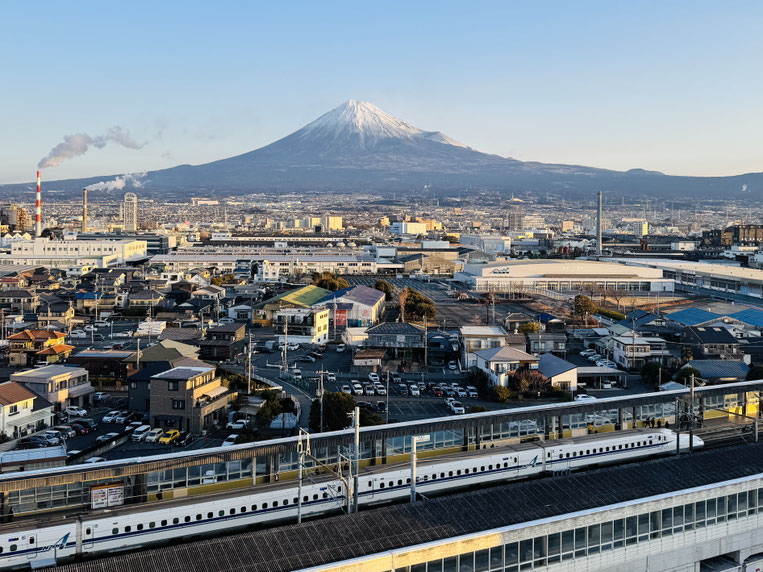
In this guide, you'll learn how to reach the Mt. Fuji area from Tokyo in as little as one hour via the fastest route, what to do after arriving, and why Fuji City can be a great alternative to more crowded destinations around Japan's most famous mountain.
Why Shin-Fuji Station Is One of the Fastest Ways to Reach Mt. Fuji
For many international visitors, Kawaguchiko is likely to be the first destination that comes to mind when planning a trip to Mt. Fuji.
However, it is not the only option.

Before looking at transportation details, let's take a closer look at what makes Shin-Fuji (新富士) Station a practical starting point for your trip.
▸ Only About 1 Hour from Tokyo by Shinkansen (Bullet Train)
One of the biggest advantages of Shin-Fuji Station is how quickly and easily it can be reached from Tokyo.
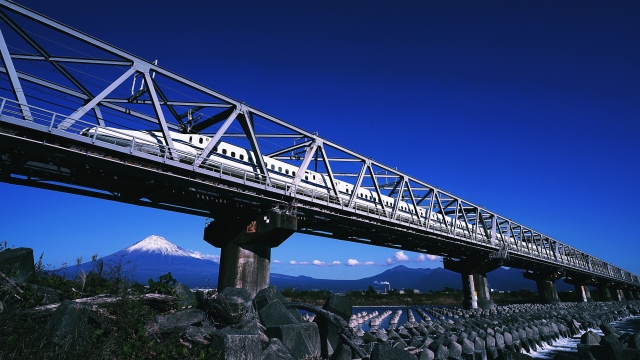
Located on the Tokaido Shinkansen (bullet train) line, the station can be reached from Tokyo Station in about one hour. For travelers with limited time, this makes the Mt. Fuji area surprisingly easy to visit as either a day trip or an overnight stop.
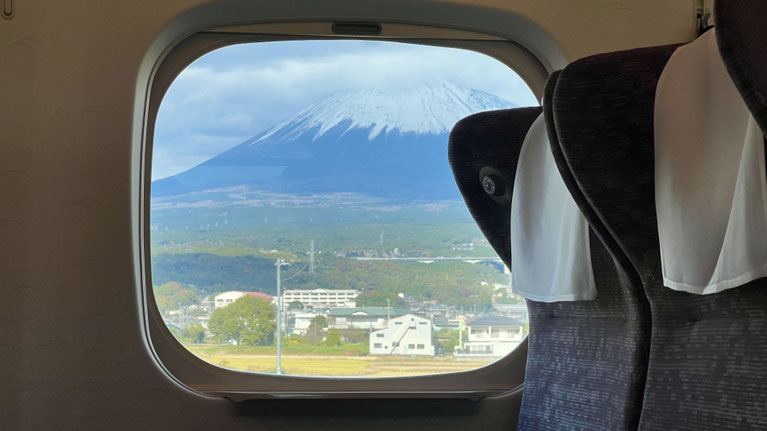
Compared with destinations that require multiple train transfers or long bus rides, the journey to Shin-Fuji Station is simple and straightforward.
▸ An Easy Stop Between Tokyo and Osaka
Many visitors are likely to follow Japan's classic travel route between Tokyo, Kyoto, and Osaka.
Shin-Fuji Station is conveniently located along the Tokaido Shinkansen line connecting these major cities, making it easy to include the Mt. Fuji area without a significant detour.
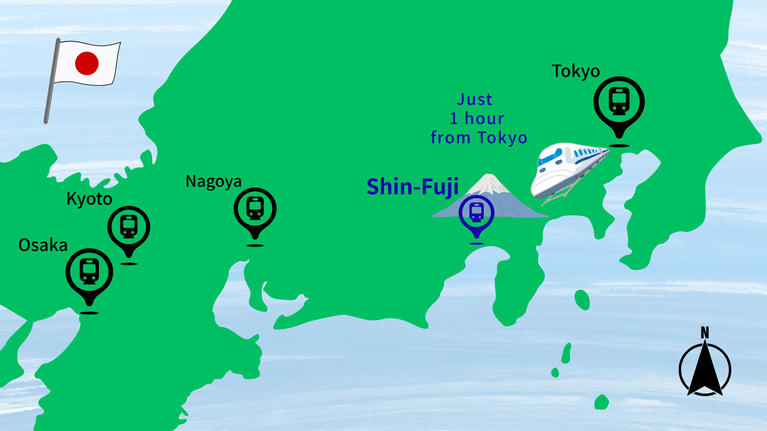
For travelers looking to discover something beyond Japan's most visited destinations, the coastal side of Mt. Fuji around Shin-Fuji Station offers a different perspective on Japan's most famous mountain.
Whether you're traveling east to west or west to east, stopping at Shin-Fuji Station can fit naturally into your Japan itinerary.
▸ A Different Side of Mt. Fuji
While destinations around Lake Kawaguchiko are known for their popularity and resort atmosphere, the area around Shin-Fuji Station offers a quieter and more local experience.
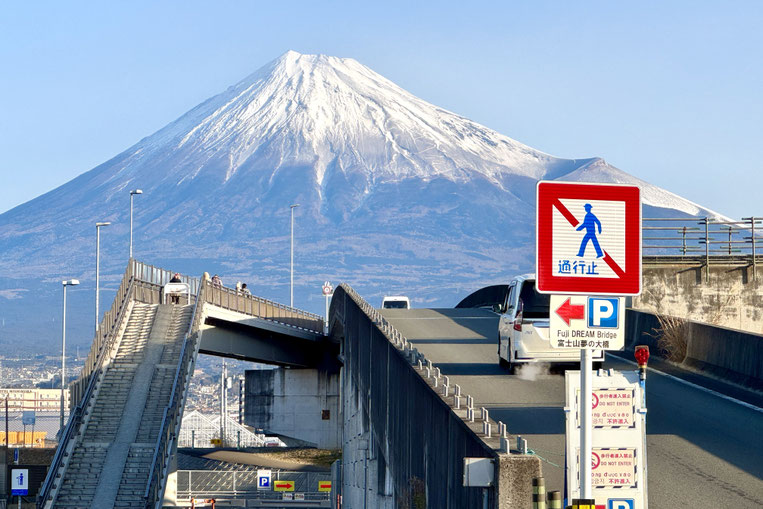
Visitors can explore everyday Japanese neighborhoods, scenic viewpoints, tea culture, and lesser-known attractions while still enjoying excellent views of Mt. Fuji.
For travelers interested in seeing more than the typical tourist route, this part of the Mt. Fuji area can be especially rewarding.
How to Get to Shin-Fuji Station from Tokyo
Getting to Shin-Fuji Station from Tokyo is easier than many first-time visitors expect.
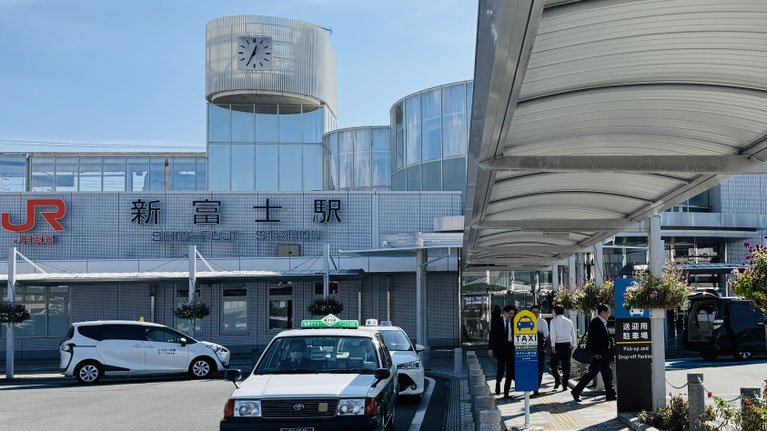
Because Shin-Fuji Station is located on the Tokaido Shinkansen (bullet train) line, the journey requires no complicated transfers and can be completed in about one hour. Here's what you need to know before you travel.
▸ Which Shinkansen Should You Take?
The easiest way to reach Shin-Fuji Station is by taking a Kodama (こだま) Shinkansen from Tokyo or Shinagawa Station.
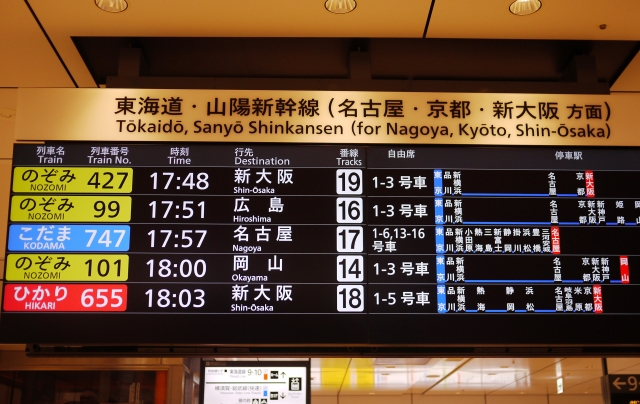
Unlike Nozomi (のぞみ) and Hikari (ひかり) services, Kodama trains stop at every station along the route, including Shin-Fuji Station.
The journey typically takes about 60 to 75 minutes, depending on the departure.
Trains operate frequently throughout the day, making it easy to find a departure that fits your schedule.
▸ How Much Does It Cost?
A one-way ticket from Tokyo Station to Shin-Fuji Station typically costs around ¥5,000–¥6,000, for a non-reserved seat during the regular season.
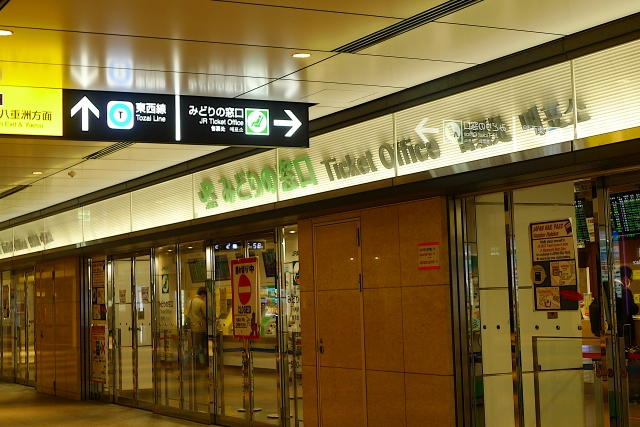
Reserved seats are recommended during weekends, holidays, and peak travel seasons, while non-reserved seats are often sufficient during quieter periods.
▸ Can You Use the JR Pass?
Yes. Shin-Fuji Station is covered by the Japan Rail Pass when traveling on eligible Shinkansen services.
However, Nozomi trains require an additional supplement under current JR Pass rules. Be sure to confirm the latest JR Pass conditions before your trip, as policies may change over time.
What to Do After Arriving at Shin-Fuji Station
Unlike more established tourist destinations, the area around Shin-Fuji Station may not immediately reveal its highlights to first-time visitors.
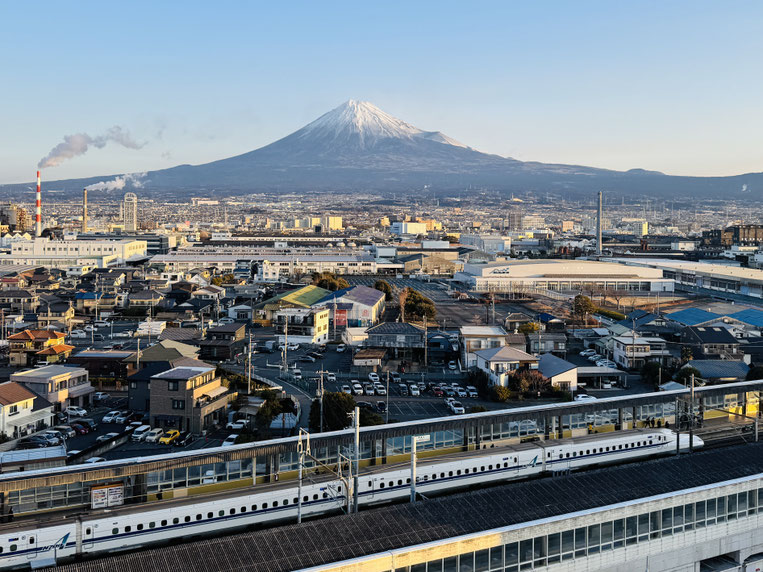
However, for travelers willing to explore a little further, the surrounding area offers scenic Mt. Fuji viewpoints, local cultural experiences, and a chance to discover a quieter side of Japan.
Here are a few experiences worth considering after arriving.
▸ Explore Fuji City and Scenic Mt. Fuji Viewpoints
Fuji City is home to several impressive Mt. Fuji viewpoints, many of which remain relatively unknown to international visitors.
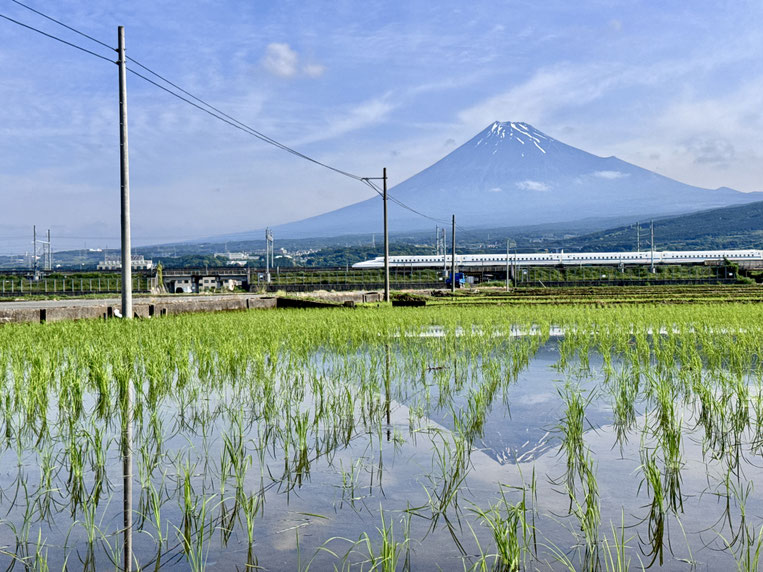
From observation spots overlooking Suruga Bay to locations where Mt. Fuji can be photographed together with the Shinkansen, the city offers a variety of unique perspectives on Japan's most famous mountain.
— For a detailed guide to the area's highlights, see our article:
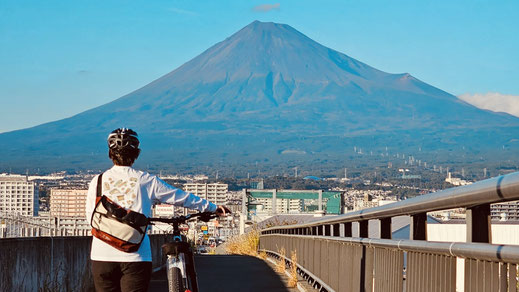
Is Fuji City Worth Visiting? 4 Best Things to Do Near Mt. Fuji
Discover why Fuji City is worth visiting. Explore local Mt. Fuji views, less crowded travel spots, seasonal scenery, and unique local experiences beyond the Fuji Five Lakes.
▸ Experience Japanese Green Tea Culture
Shizuoka Prefecture is Japan's leading green tea-producing region, and the area around Shin-Fuji Station provides opportunities to learn about this important part of Japanese culture.

Visitors can discover how tea is grown, processed, and enjoyed while gaining a deeper appreciation for one of Japan's most iconic beverages.
— Learn more in our guide:
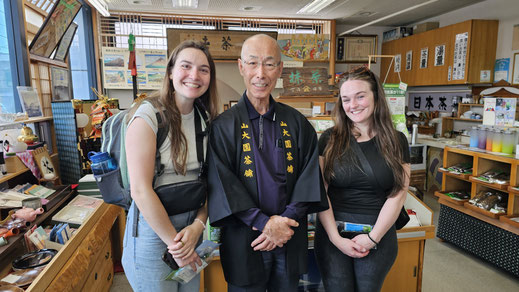
Where to Experience Japanese Green Tea Culture Near Mt. Fuji
Discover a local Japanese green tea experience near Mt. Fuji in Fuji City, Shizuoka. Learn the difference between sencha and matcha, enjoy tea tasting with a local tea master, and explore a quieter side of Mt. Fuji beyond typical tourist spots.
▸ Join a Guided E-Bike Tour
For travelers who want to experience more than just the major tourist attractions, a guided e-bike tour can be a great way to explore the area.

Mount Fuji Scenic Private Guided E-Bike Tour
With the help of a local English-speaking guide, visitors can discover scenic viewpoints, local culture, and hidden places that are difficult to find independently.
The tour starts directly from Shin-Fuji Station, making it an easy addition to a half-day trip in the Mt. Fuji area.
Staying Near Shin-Fuji Station Before or After Your Trip
Many visitors treat Shin-Fuji Station as a day-trip destination from Tokyo. However, spending a night in the area can make your Mt. Fuji trip more relaxed and flexible.

▸ Why Staying Overnight Can Be a Smart Choice
Instead of rushing to fit everything into a single day, an overnight stay allows you to adjust your plans according to the weather and visibility conditions around Mt. Fuji.
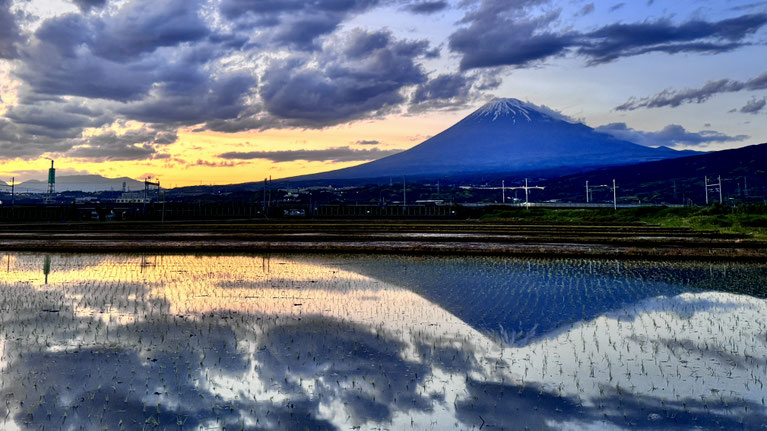
This can be especially valuable during the warmer months, when the clearest views of Mt. Fuji are often seen in the early morning or around sunset as temperatures begin to cool.
For travelers exploring multiple destinations in Japan, the area can also serve as a practical stop between Tokyo and western Japan.
Final Thoughts
While it may not be as well known as Kawaguchiko, the area around Shin-Fuji Station offers a different side of Mt. Fuji. Visitors can enjoy scenic viewpoints, local culture, and experiences that are often overlooked by international travelers.
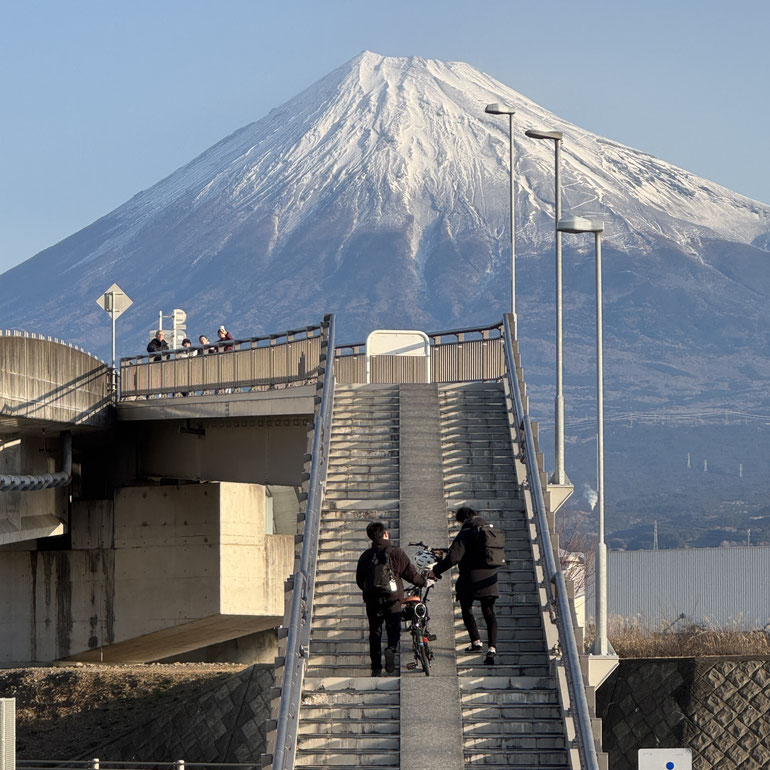
Whether you're planning a half-day excursion, an overnight stay, or simply looking for a less crowded way to experience Mt. Fuji, Shin-Fuji Station is well worth considering.