Where to Experience Japanese Green Tea Culture Near Mt. Fuji
Last Updated: May 29, 2026
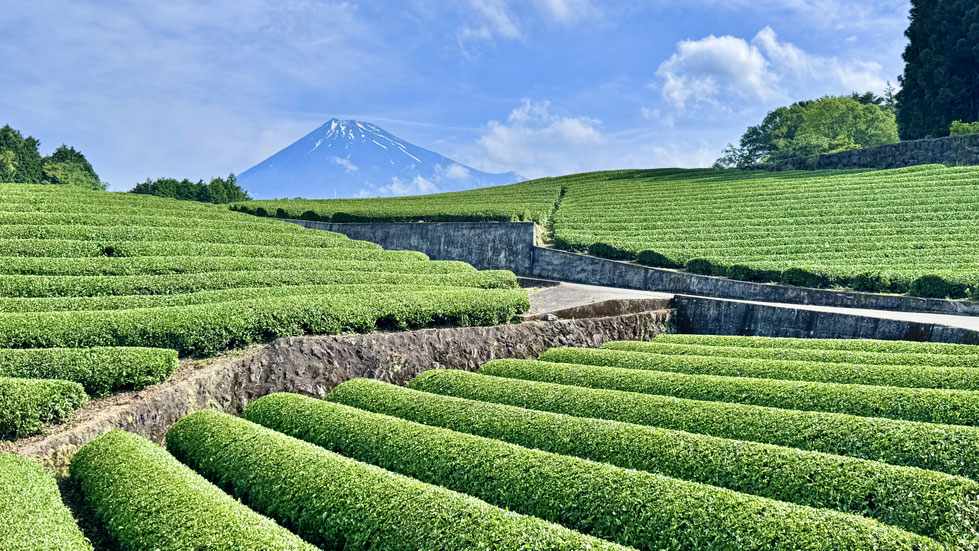
— When people think of Japanese tea experiences, they are likely to picture green tea fields or scenic tea terraces.
Besides those well-known tea tourism experiences,
visitors near Mt. Fuji in Fuji City, Shizuoka, can also discover
a more local and personal side of Japanese tea culture
by learning directly from a tea master inside a long-established tea shop.

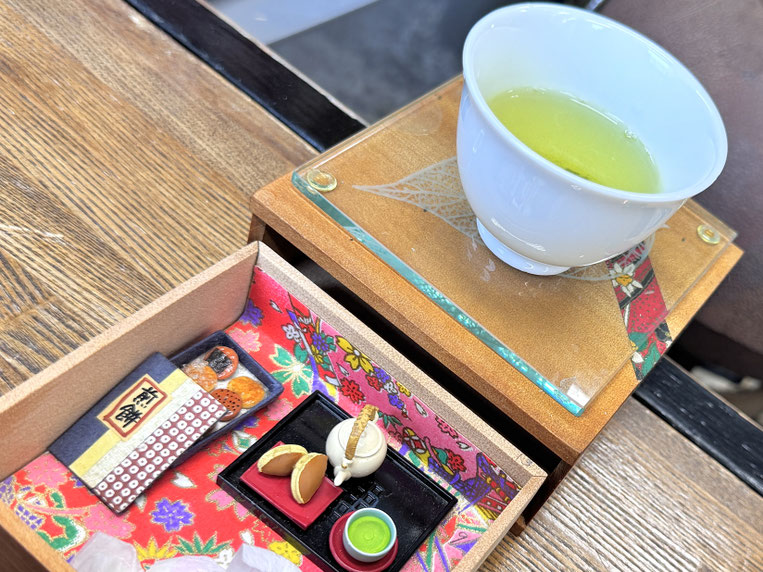
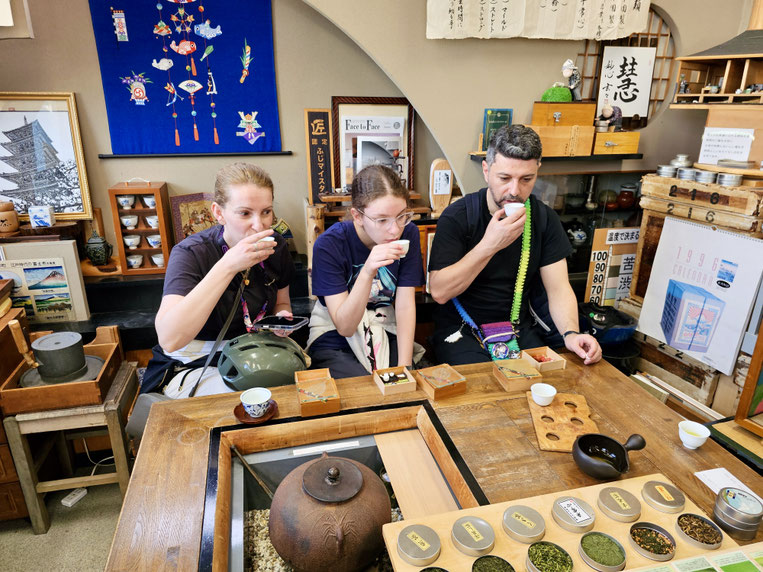
During this experience, guests can taste different kinds of Japanese green tea while learning how water temperature changes flavor, what makes sencha and matcha different, and why tea remains such an important part of everyday life in Japan.

Mount Fuji Scenic Private E-Bike Tour
As part of our guided cycling tour around Fuji City near Mt. Fuji, guests can enjoy this special tea experience with a local tea master while exploring a quieter and more local side of the Mt. Fuji area through Japanese tea culture.
– A Closer Look at Japanese Green Tea Culture –
Why Shizuoka Is Famous for Japanese Green Tea
📍 Shizuoka Prefecture, where Fuji City is located, is widely known as one of Japan's most important green tea producing regions and produces a large share of Japan's green tea. Thanks to its mild climate, clean water, and mountainous environment, high-quality tea has been cultivated here for centuries.

For many visitors to Japan, green tea is often associated with matcha desserts or souvenir shops. However, in Shizuoka, tea is also something people enjoy daily at home, with family, or while welcoming guests.
One of the most interesting parts of visiting the local tea shop is discovering how much care goes into preparing Japanese tea. Small details — especially water temperature — can completely change the flavor and aroma of green tea.
This deeper connection to tea culture is one reason why experiences like this feel very different from typical sightseeing activities around Mt. Fuji, especially compared to the more sightseeing-focused experiences around the Fuji Five Lakes area.
What's the Difference Between Sencha and Matcha?
One of the most common questions international visitors ask during this tea experience is:
“What's the difference between sencha and matcha?”
Outside Japan, many people first discover Japanese tea through matcha desserts, matcha lattes, or sweets. However, in everyday Japanese life, sencha is actually one of the most commonly enjoyed types of green tea.
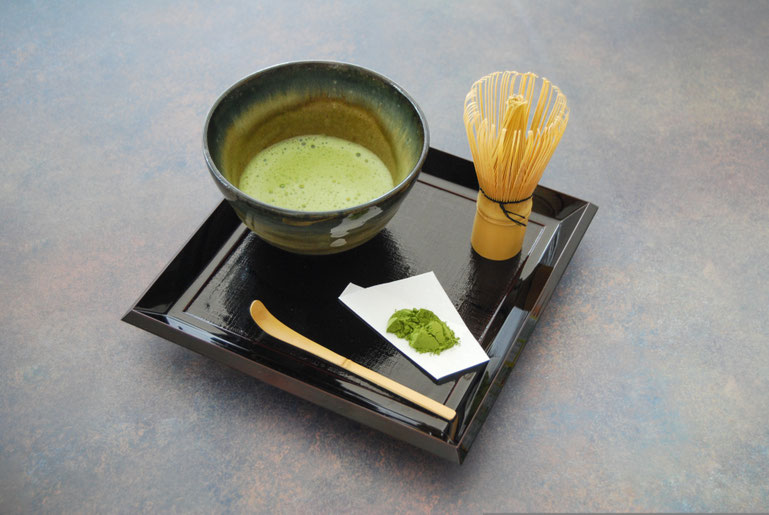
Matcha and sencha both come from the same tea plant, but they are grown and prepared in very different ways.
Before harvest, tea leaves used for matcha are typically shaded from sunlight for around one month using large black covers placed over the tea fields. This process helps increase the natural amino acid called theanine, which gives the tea a smoother umami flavor while reducing bitterness.
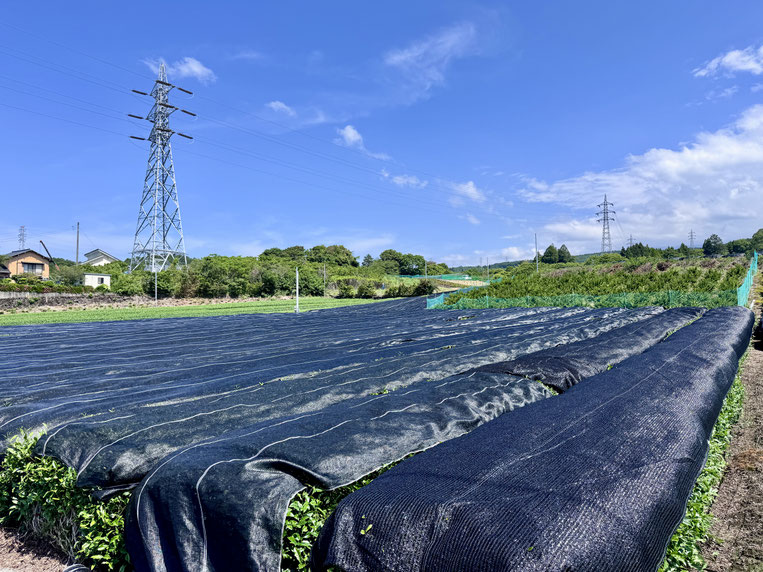
After harvest, the leaves are finely ground into powder to create matcha.
Sencha, on the other hand, is grown under full sunlight and brewed using loose tea leaves and hot water. Compared to matcha, sencha often has a fresher and slightly more refreshing flavor.
How Water Temperature Changes the Flavor of Green Tea
🍵 One of the most surprising things many visitors discover during this tea experience is how much water temperature can change the flavor of Japanese green tea.
In Japan, green tea is not simply made with boiling water. Different temperatures can bring out completely different flavors and aromas from the same tea leaves.
For example,
◾️ Lower temperature water — around 60–70°C (140–158°F) — is often used to create a smoother and more umami-rich flavor with less bitterness. This is because amino acids such as theanine, which give Japanese green tea its natural sweetness and umami flavor, are easier to extract at lower temperatures.
◾️ Hotter water — around 80–90°C (176–194°F) — extracts more catechins and caffeine from the tea leaves. Catechins are one of the main sources of bitterness and astringency in green tea, while caffeine can create a sharper and slightly stronger taste.
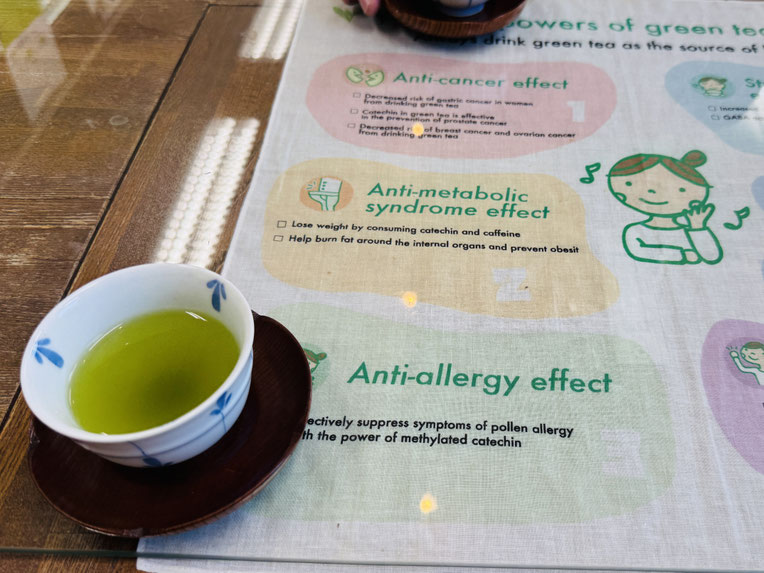
During the tasting experience, guests can compare teas prepared at different temperatures while learning directly from a local tea master. Even people who regularly drink green tea are often surprised by how dramatically the flavor changes.
This attention to detail is one reason why Japanese tea culture feels so unique. Rather than simply drinking tea, the experience becomes a chance to slow down, observe subtle differences, and appreciate the craftsmanship behind each cup.
Experience Japanese Tea Culture During Our E-Bike Tour
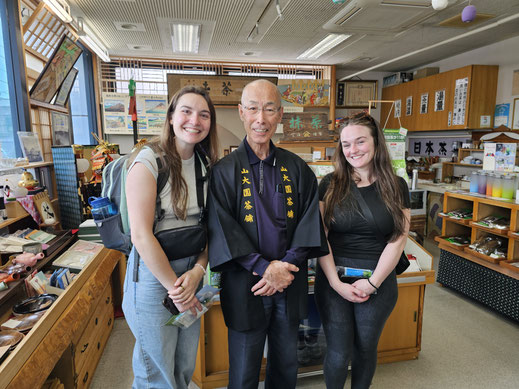
More than just a cycling tour around Mt. Fuji, this experience offers a chance to discover a quieter and more cultural side of Japan through local tea traditions, flavors, and everyday hospitality.
Guests can learn directly from a local tea master while exploring Fuji City by e-bike with an English-speaking guide.
ℹ️ Please note that this tea experience is available exclusively as part of the guided NINOMARU cycling tour and is not offered for walk-in visitors without a reservation.
Why This Tea Experience Feels Different from Typical Tourist Activities
Shizuoka Prefecture is one of Japan's most famous and historically important green tea producing regions. For centuries, tea culture has been deeply connected to everyday life here.
That is one reason why visiting Fuji City on the Shizuoka side of Mt. Fuji offers a different kind of experience compared to typical sightseeing-focused trips.

In Fuji City, visitors can enjoy not only views of Mt. Fuji, but also local tea culture, countryside scenery, and everyday Japanese experiences that are difficult to find in more crowded tourist destinations.
During the NINOMARU guided e-bike tour, guests can explore these quieter local areas while experiencing Japanese tea culture directly from local people.
RELATED ARTICLE

Is Fuji City Worth Visiting? 4 Best Things to Do Near Mt. Fuji
Discover why Fuji City is worth visiting. Explore local Mt. Fuji views, less crowded travel spots, seasonal scenery, and unique local experiences beyond the Fuji Five Lakes.