Is Fuji City Worth Visiting? 4 Best Things to Do Near Mt. Fuji
Last Updated: May 20, 2026
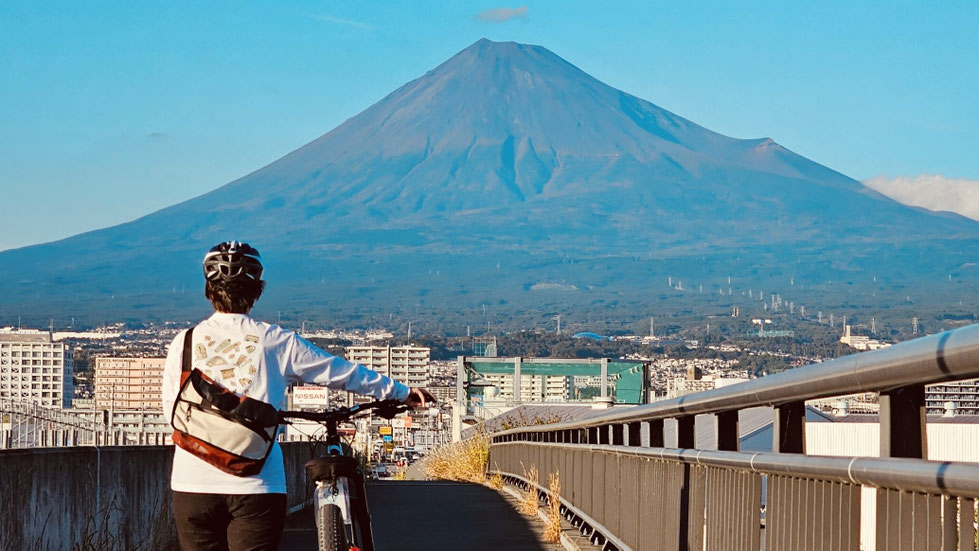
— Many travelers visit the Fuji Five Lakes area for famous views of Mt. Fuji.
But on the southern side of the mountain, Fuji City offers a quieter and more local experience.
Here, Mt. Fuji rises behind local streets, factories, ports, tea fields, and everyday life.
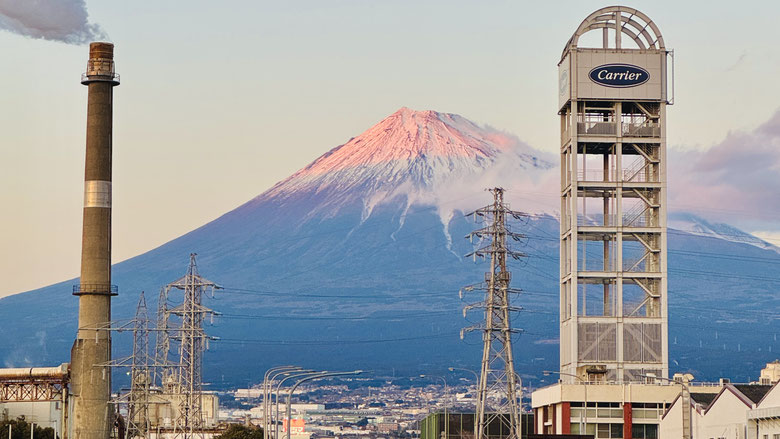
“Mt. Fuji as part of everyday life.”
Located just one hour from Tokyo by Shinkansen, Fuji City is also a convenient base for exploring the Mt. Fuji area without the heavy crowds often found around Kawaguchiko.
✒️ In this guide, we'll introduce some of the best ways to experience Fuji City and discover a different side of Mt. Fuji.
1. Experience a More Local Side of Mt. Fuji
Unlike the Fuji Five Lakes area, Fuji City offers views of Mt. Fuji that are deeply connected to everyday life in Japan.
Here, Mt. Fuji rises behind local roads, factories, ports, trains, and neighborhoods —
creating a landscape that feels both scenic and authentic.
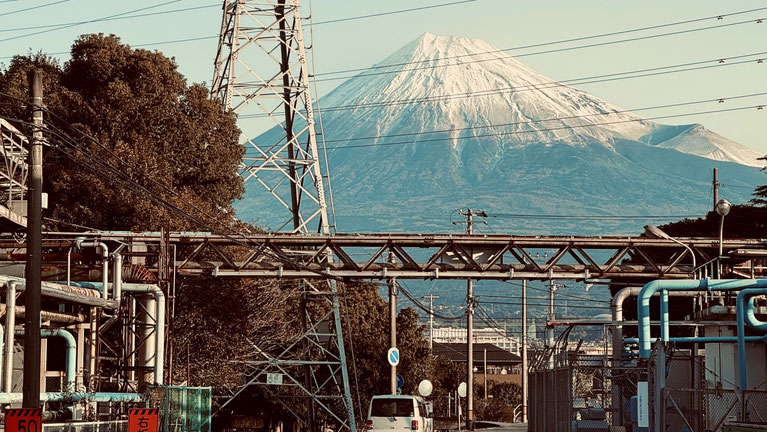
▸ Fujisan Yume no Ohashi Bridge
Fujisan Yume no Ohashi Bridge has become one of the most famous Mt. Fuji photo spots on social media in recent years.
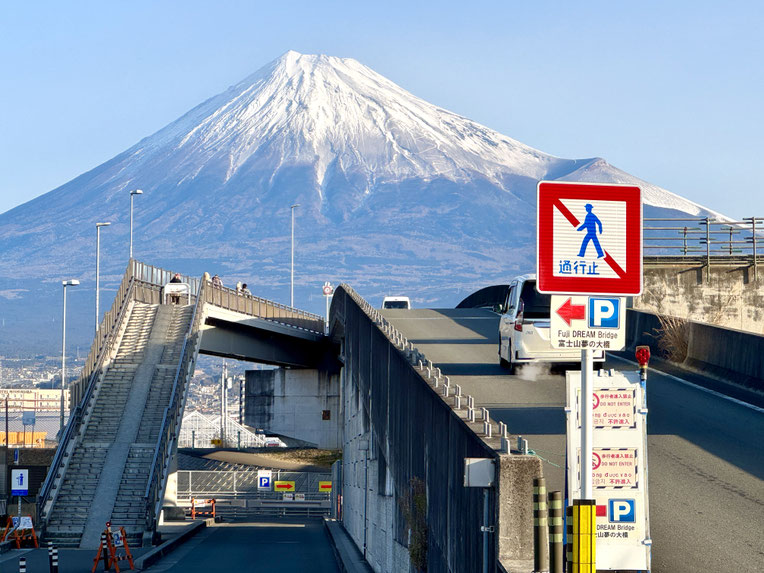
📍Located in Fuji City, the bridge offers a dramatic view of Mt. Fuji rising directly beyond the road and pedestrian walkway.
Despite its impressive scenery, it is still easily accessible from Shin-Fuji Station —
about 30 minutes on foot or less than 10 minutes by taxi from the Shinkansen station.
▸ Watching the Shinkansen Pass Beneath Mt. Fuji
One of the unique sights in Fuji City is watching the Shinkansen pass through the city with Mt. Fuji towering in the background.
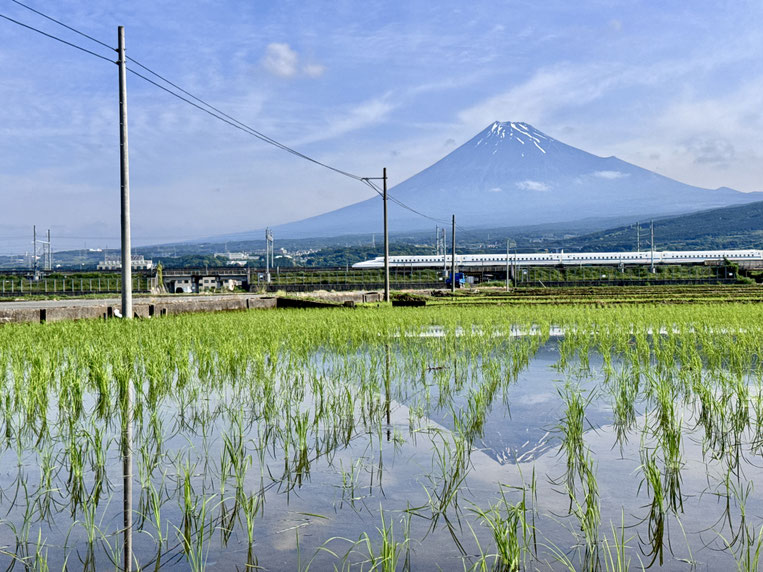
📍Unlike crowded tourist areas, these views can often be enjoyed from quiet local streets and everyday neighborhoods.
The Shinkansen also runs along the southern side of Mt. Fuji, allowing passengers to enjoy impressive views of the mountain before arriving at Shin-Fuji Station.
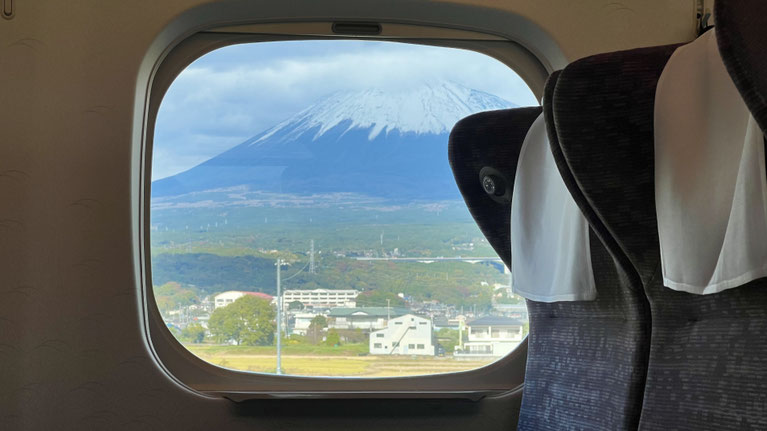
▸ Mt. Fuji Above Fuji City's Industrial Landscape
Fuji City is known as an industrial city, with factories, warehouses, and smokestacks spread across the area near Suruga Bay.
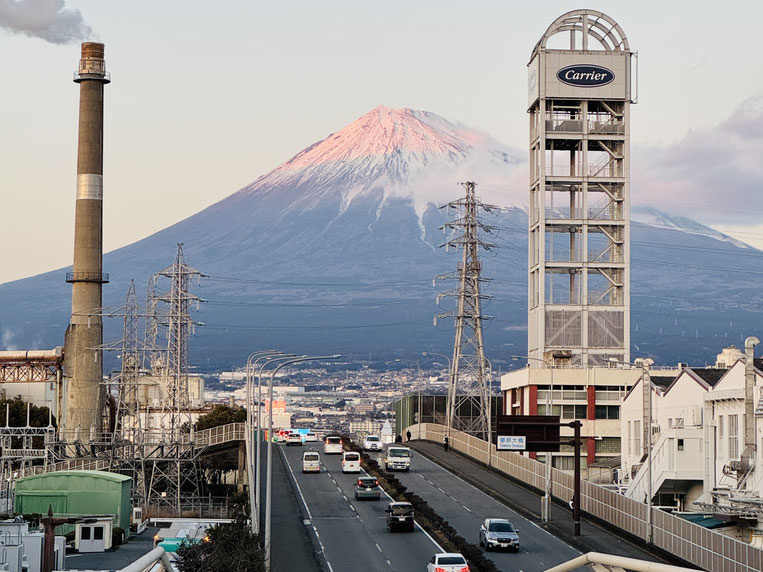
🏭 What makes the scenery unique is the contrast between everyday industrial landscapes and the massive presence of Mt. Fuji rising behind them.
Especially around sunset and blue hour, the combination of factories, city lights, and Mt. Fuji creates a completely different atmosphere from the Fuji Five Lakes area.
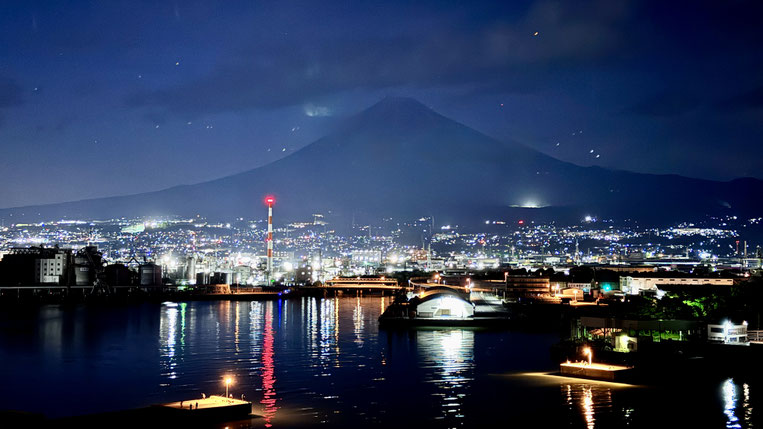
▸ Mt. Fuji from the Ocean Side— Mt. Fuji from the Ocean Side
Unlike the Fuji Five Lakes area, Fuji City offers rare views of Mt. Fuji from the ocean side.
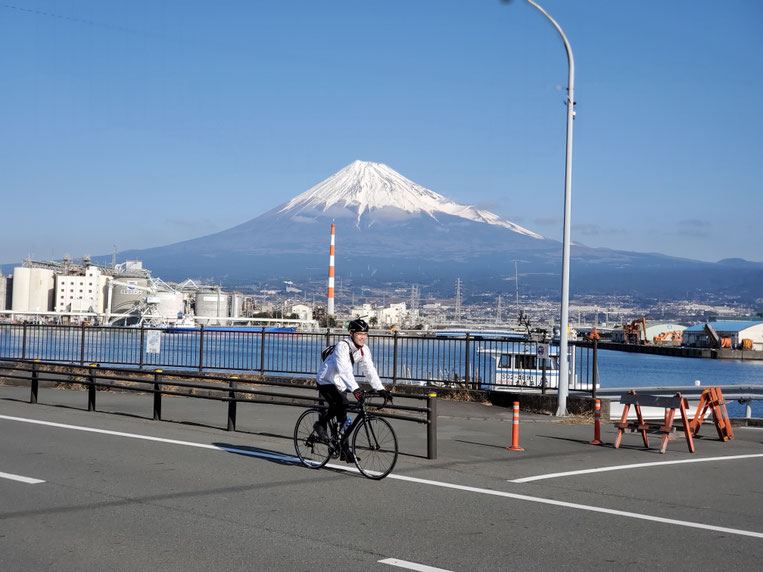
📍From places near Tagonoura Port and Suruga Bay, visitors can enjoy wide-open scenery where the sea, ships, and Mt. Fuji come together in one view.
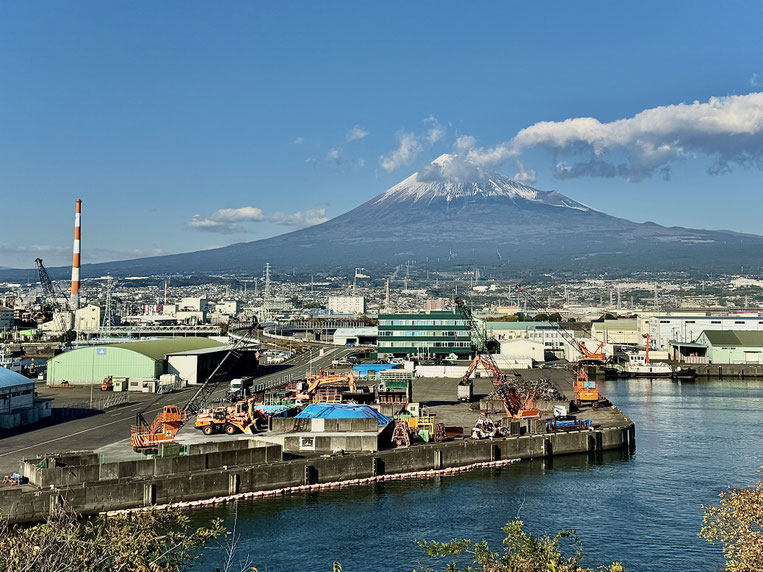
These coastal landscapes show another side of Mt. Fuji that many international travelers have never seen before.
▸ Join Our Guided Cycling Tour in Fuji City
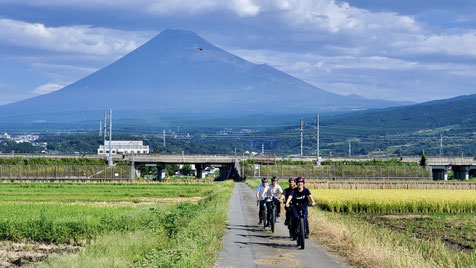
Our private guided cycling tour takes visitors through quiet local roads, countryside scenery, local tea culture experiences, and unique Mt. Fuji viewpoints that are difficult to discover on your own.
Tours are guided in English and begin at the South Exit of Shin-Fuji Station, making them easy to join even as a day trip from Tokyo.
2. Make the Most of Your Mt. Fuji Trip from Fuji City
Fuji City is not only a great place to experience local views of Mt. Fuji, but also a convenient base for exploring famous spots around the mountain.
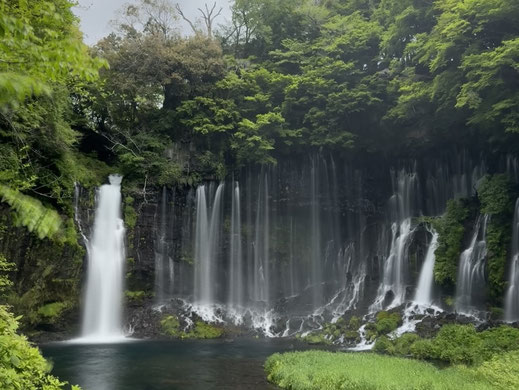
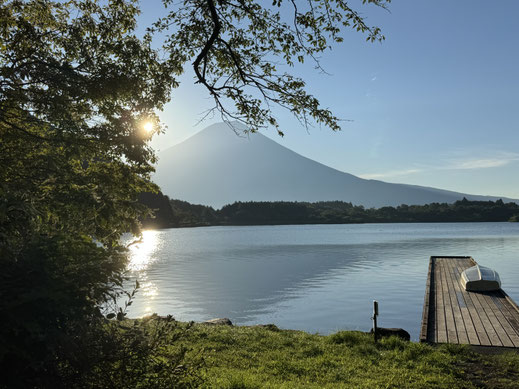
📍To the north of Fuji City lies Fujinomiya, home to some of the region's most iconic destinations, including Shiraito Falls, Lake Tanuki, and Fujisan Hongu Sengen Taisha Shrine.
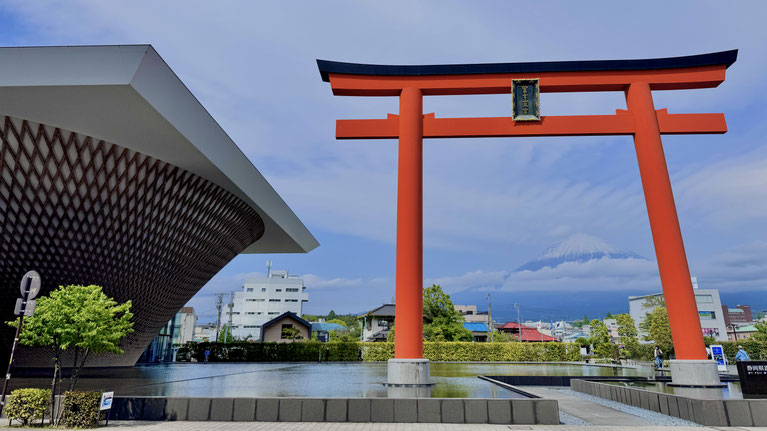
The area offers a different side of the Mt. Fuji region, with rich natural scenery, local culture, and easy access from Fuji City.
▸ Explore Local Culture Around Fujinomiya by Train
From JR Fuji Station, the local Minobu Line connects Fuji City and Fujinomiya in about 20 minutes / 6 stops.
Travelers can enjoy a relaxing train journey through quiet neighborhoods, local towns, and countryside scenery along the way.
Fujisan Hongu Sengen Taisha Shrine and the Mt. Fuji World Heritage Center are both within walking distance from Fujinomiya Station, making them easy to visit without a car.
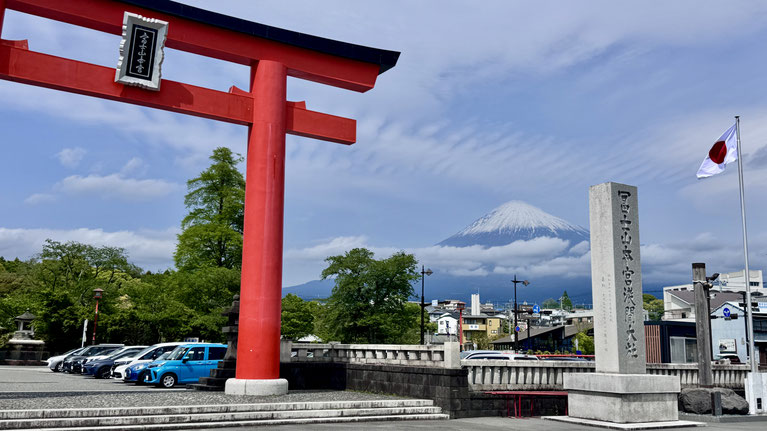
For travelers planning to visit Shiraito Falls, local buses are also available from the station area.
▸ Explore Nature Around Mt. Fuji by Rental Car
For travelers planning to explore the natural side of the Mt. Fuji area, Shin-Fuji Station is one of the most convenient starting points.
Several rental car shops are located within walking distance of Shin-Fuji Station, making it easy to begin exploring the region by car.

From Fuji City, destinations such as Shiraito Falls and Lake Tanuki are all within easy driving distance, offering scenic landscapes and a quieter atmosphere away from crowded tourist areas.
▸ Stay Near Shin-Fuji Station for a More Efficient Mt. Fuji Trip
Compared to the busy Fuji Five Lakes area, hotels around Shin-Fuji Station are often more affordable and less crowded.
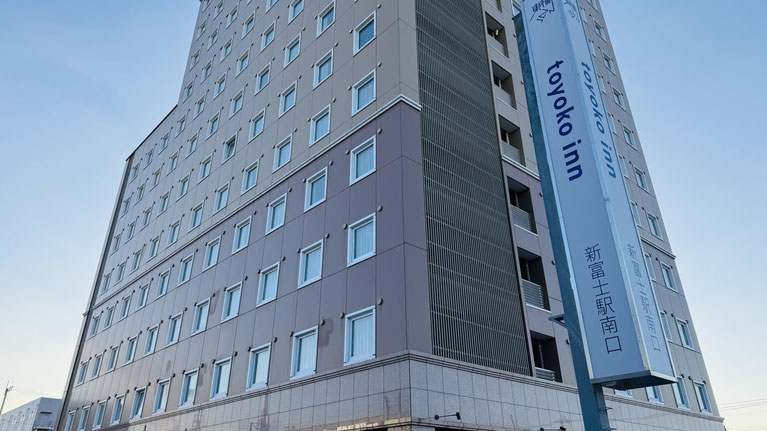
Because the Shinkansen station, rental car shops, and major roads are all located nearby, staying around Shin-Fuji Station makes it easier to plan a smooth and efficient trip around the Mt. Fuji area.
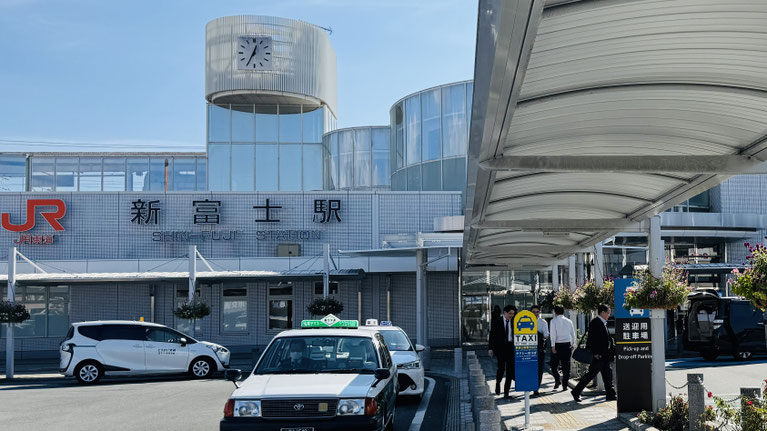
It is also a practical choice for travelers who want to explore not only Fuji City, but also nearby areas such as Fujinomiya — including spots like Shiraito Falls and Lake Tanuki — or even the Fuji Five Lakes during the same trip.
3. Enjoy Seasonal Scenery and Everyday Life at the Foot of Mt. Fuji
Around Fuji City, the scenery changes beautifully with the seasons, from cherry blossoms and fresh green landscapes to colorful autumn leaves and mild winter views.
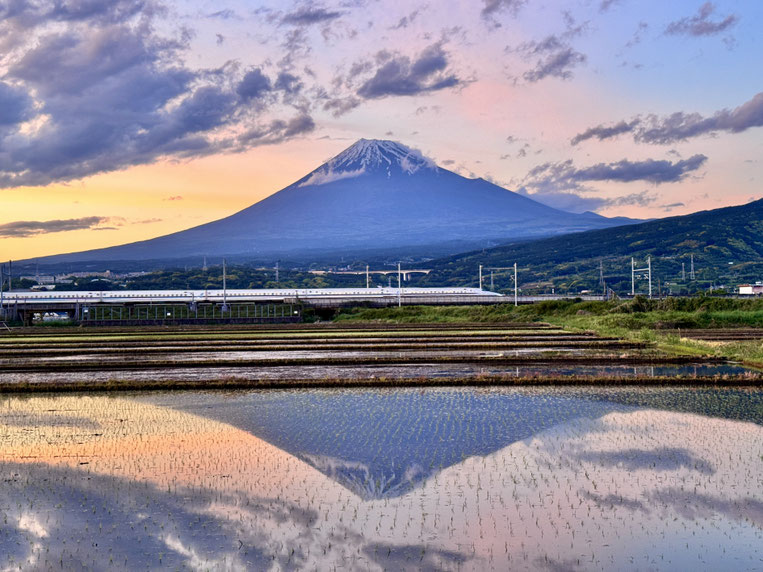
These seasonal landscapes can be found throughout local streets, farmland, parks, and everyday scenery at the foot of Mt. Fuji.
▸ See Cherry Blossoms, Tea Fields, and Rice Fields in Spring
Spring brings colorful scenery to Fuji City, with cherry blossoms, fresh green tea fields, and reflective rice fields appearing around the foot of Mt. Fuji.
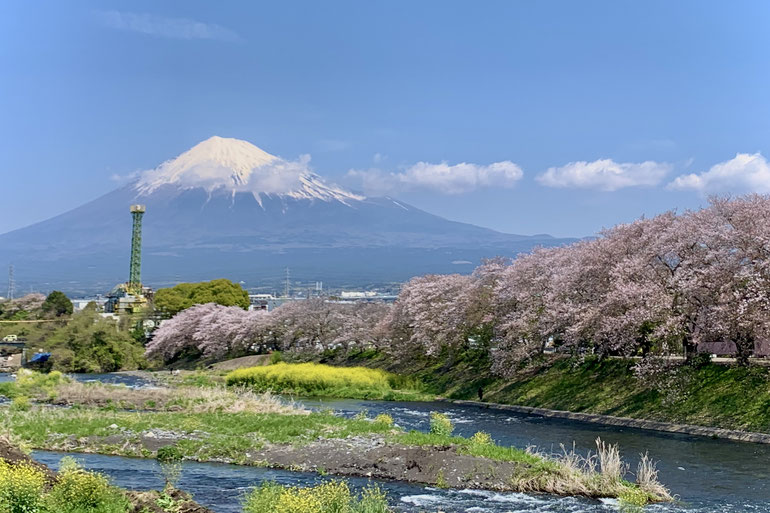
One of the most famous spring spots is 📍Ryuganbuchi, where visitors can enjoy beautiful views of cherry blossoms with Mt. Fuji rising in the background.
▸ Experience Fresh Green Landscapes in Early Summer
In early summer, the countryside around Fuji City becomes covered in vibrant green scenery.
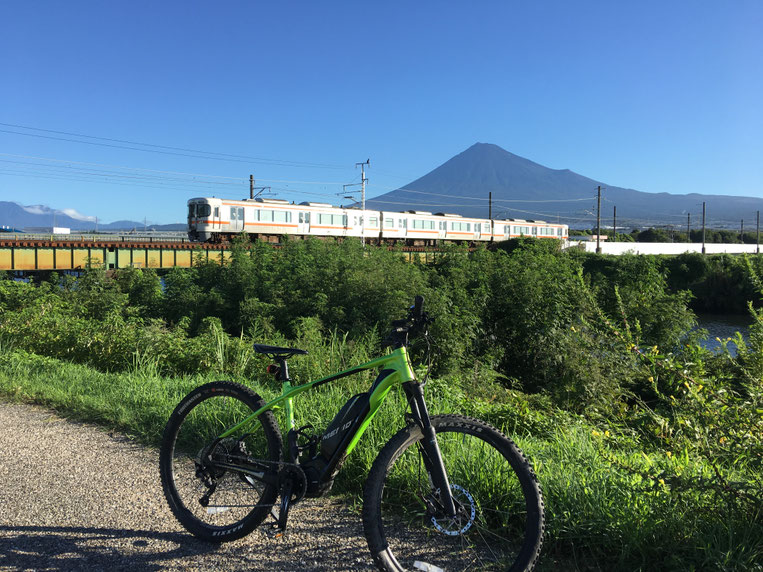
Farmland, riverside paths, and local roads near Mt. Fuji create peaceful landscapes that feel very different from crowded tourist areas.
▸ Discover Autumn Colors Around Mt. Fuji
Autumn brings cooler weather and colorful scenery to the Mt. Fuji area.
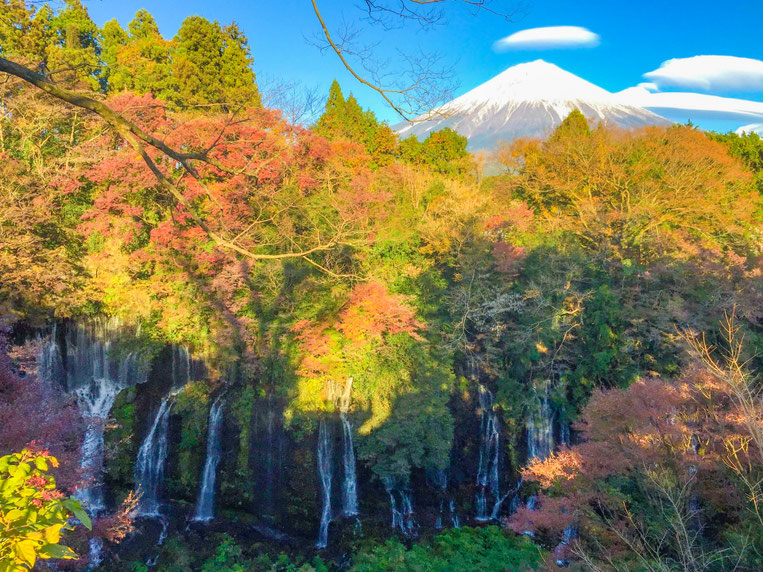
Parks, mountain roads, and natural spots around Fuji City and nearby areas begin to change color, creating beautiful seasonal views beneath Mt. Fuji.
The quieter atmosphere during autumn also makes this season popular for scenic drives and photography.
▸ Enjoy a Milder Winter at the Foot of Mt. Fuji
Compared to areas further north around Mt. Fuji, winters in Fuji City are generally milder and receive less snow.
Road conditions are easier for driving, and travelers can continue enjoying outdoor sightseeing even during the winter season.
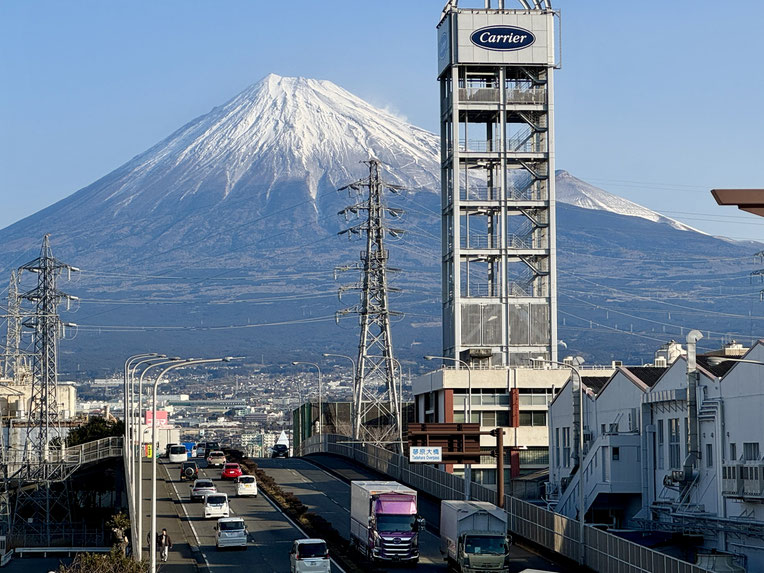
Clear winter air also creates some of the sharpest and most beautiful views of Mt. Fuji throughout the year.
4. Explore Fuji City by E-Bike with a Local Guide
One of the best ways to experience Fuji City is through a private guided cycling tour with a local guide who knows the area well.
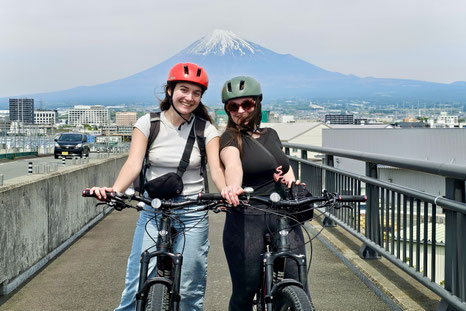
Mount Fuji Scenic E-Bike Tour
📍Starting from Shin-Fuji Station — a Shinkansen station located about one hour from Tokyo — the tour explores local streets, scenic Mt. Fuji viewpoints, everyday landscapes, and local cultural experiences that many visitors never see.
Tours are guided in English and use electric-assist bicycles, making it easy and comfortable to explore the area at a relaxed pace.