
Can You See Mt. Fuji From Shin-Fuji Station? Local Viewing Spots Around Fuji City
Last Updated: June 24, 2026
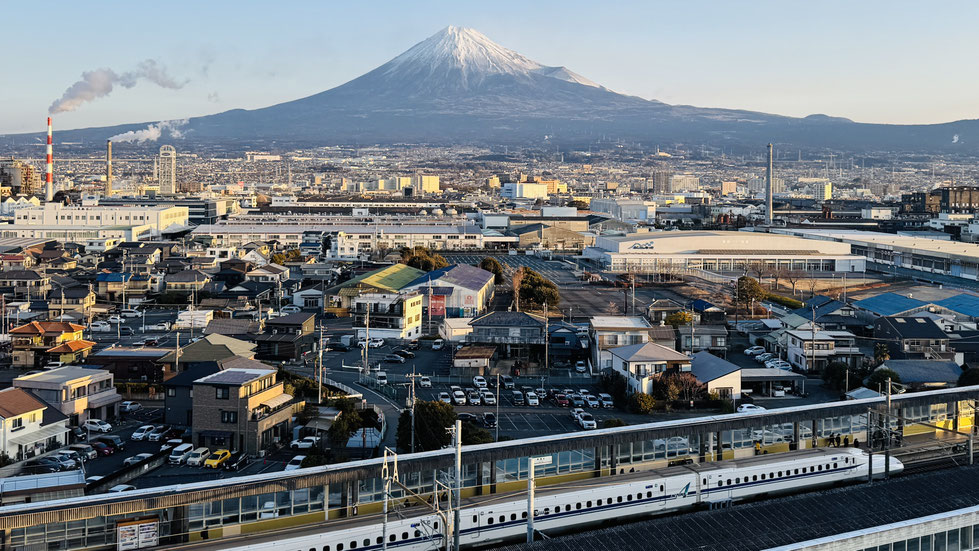
Yes, you can see Mt. Fuji from Shin-Fuji Station on a clear day.
In fact, the station is one of the few Shinkansen (bullet train) stops in Japan
where you can be greeted by a breathtaking view of Mt. Fuji
almost immediately after stepping off the train.
— But that's only the beginning.
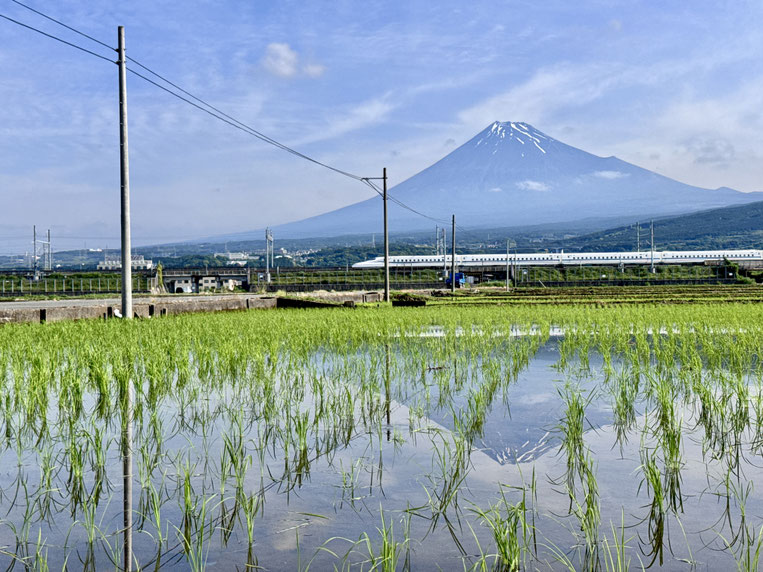
Around Fuji City, you'll find a mix of famous viewpoints and lesser-known local spots that offer very different perspectives of Mt. Fuji.
A few are within walking distance of the station, while others are hidden in neighborhoods, parks, and coastal areas rarely visited by international travelers. Many of these viewpoints are
difficult to reach using public transportation alone.
✒️ In this guide, we'll introduce some of the most interesting Mt. Fuji viewing spots around Fuji City—from well-known landmarks to local favorites—and show why Shin-Fuji Station is worth more than just passing through on your journey between Tokyo and Osaka.
Mt. Fuji Views From Shin-Fuji Station
Before exploring Fuji City's local viewpoints, it's worth taking a moment to appreciate the views available right at Shin-Fuji Station. On a clear day, Mt. Fuji is visible from both the station platform and the surrounding station area.
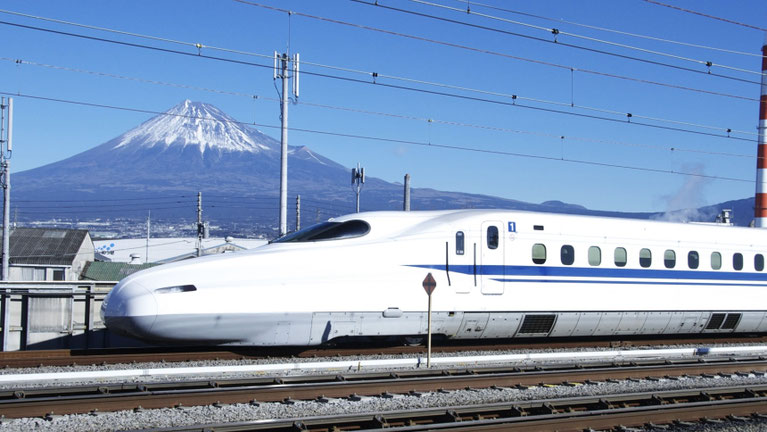
▸ Views From the Station Platform
One of the easiest places to see Mt. Fuji is directly from the Shin-Fuji Station platform. On clear days, the mountain rises prominently to the north, creating a dramatic backdrop for arriving and departing Shinkansen trains.
▸ Views From the Station Area
Mt. Fuji remains visible after leaving the station. The relatively open surroundings around Shin-Fuji Station provide several viewpoints where visitors can enjoy unobstructed views of the mountain.
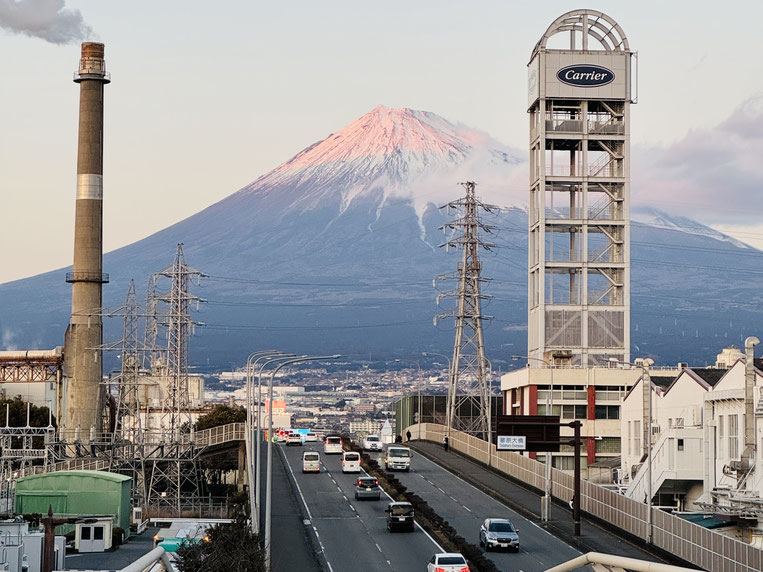
While the station itself offers impressive scenery, it is only the starting point. Some of Fuji City's most unique viewpoints are located beyond the station area, ranging from famous landmarks to hidden local spots rarely visited by international travelers.
Local and Hidden Mt. Fuji Viewpoints Around Shin-Fuji Station
While many visitors head straight to famous destinations such as Kawaguchiko, Fuji City offers a very different Mt. Fuji experience.
— Here, you'll find a mix of famous viewpoints and hidden local spots that showcase Mt. Fuji from unexpected angles.

A few locations are easy to reach, while others are scattered across different parts of the city. Together, they reveal a side of Mt. Fuji that many international travelers never get to see.
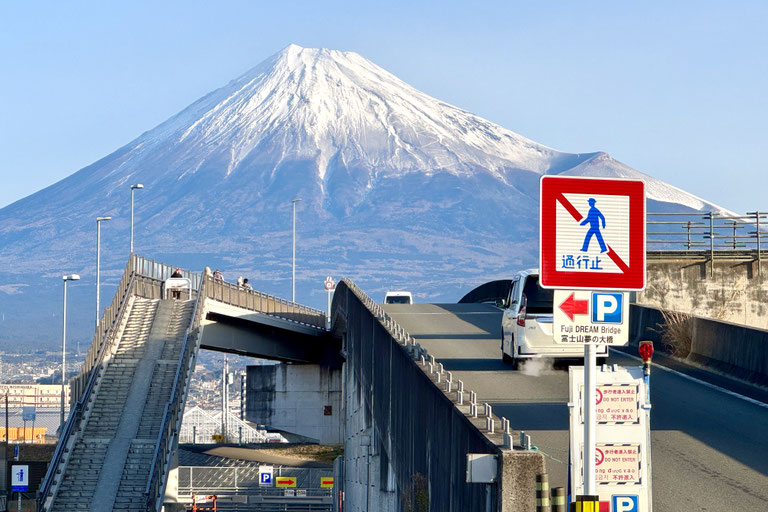
▸ Fujisan Yume no Ohashi Bridge
Fujisan Yume no Ohashi Bridge is Fuji City's most famous Mt. Fuji viewpoint and has become widely known through social media. The dramatic staircase composition makes Mt. Fuji appear unusually large, creating one of the most recognizable photo opportunities in the area.
🗻 Scenic Value ★★★★★
⭐ Popularity ★★★★★
🏡 Local Atmosphere ★★☆☆☆
📍 Accessibility ★★★★⭐︎
The bridge is located about 2 km (1.2 miles) from Shin-Fuji Station. Walking takes around 30 minutes, making it one of the most accessible viewpoints in this guide. Taxis are usually available at Shin-Fuji Station, although visitors should keep in mind that return taxis may not be readily available around the bridge.
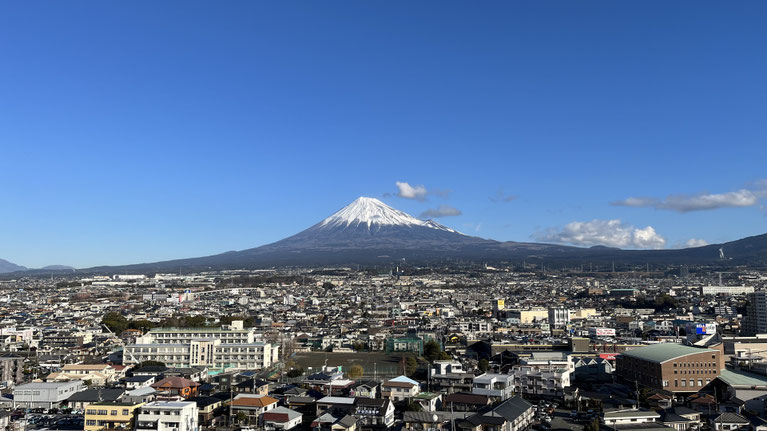
▸ Fuji City Hall Observation Deck
This free observation deck offers panoramic views across Fuji City with Mt. Fuji rising behind the urban landscape. It provides an excellent overview of the city and is one of the best places to appreciate the scale of both Fuji City and the mountain itself.
🗻 Scenic Value ★★★★☆
⭐ Popularity ★★★☆☆
🏡 Local Atmosphere ★★☆☆☆
📍 Accessibility ★★★☆☆
Fuji City Hall is located about 3 km (1.9 miles) from Shin-Fuji Station. Walking takes roughly 45 minutes. Local buses are available, although service frequency can be limited depending on the time of day.
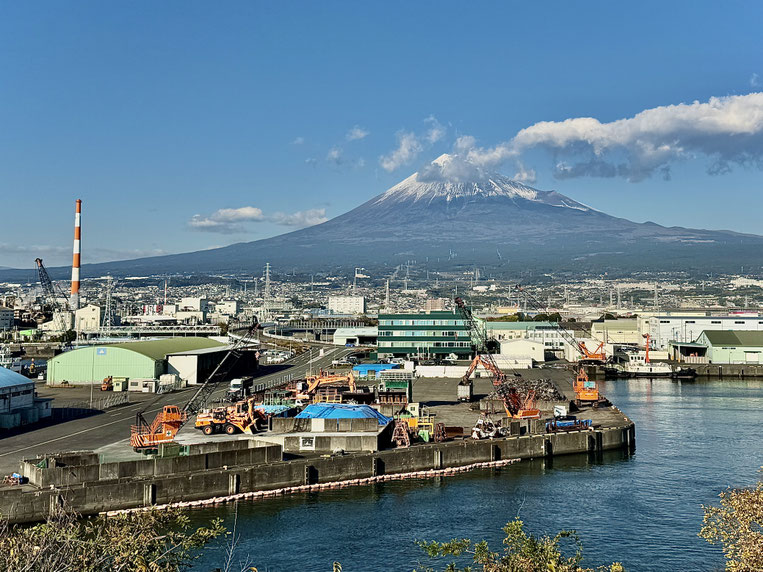
▸ Tagonoura Port Park
Tagonoura Port Park combines views of Mt. Fuji with Suruga Bay, harbor facilities, and the industrial waterfront that helped shape Fuji City's identity. The scenery feels distinctly local and offers a perspective rarely featured in mainstream travel guides. Sunset is often the most rewarding time to visit.
🗻 Scenic Value ★★★★☆
⭐ Popularity ★★☆☆☆
🏡 Local Atmosphere ★★★★☆
📍 Accessibility ★★☆☆☆
The park is located approximately 4 km (2.5 miles) from Shin-Fuji Station. Public transportation options are few, and walking is not realistic for most travelers. A taxi can get you there easily, although visiting multiple viewpoints efficiently requires some planning.
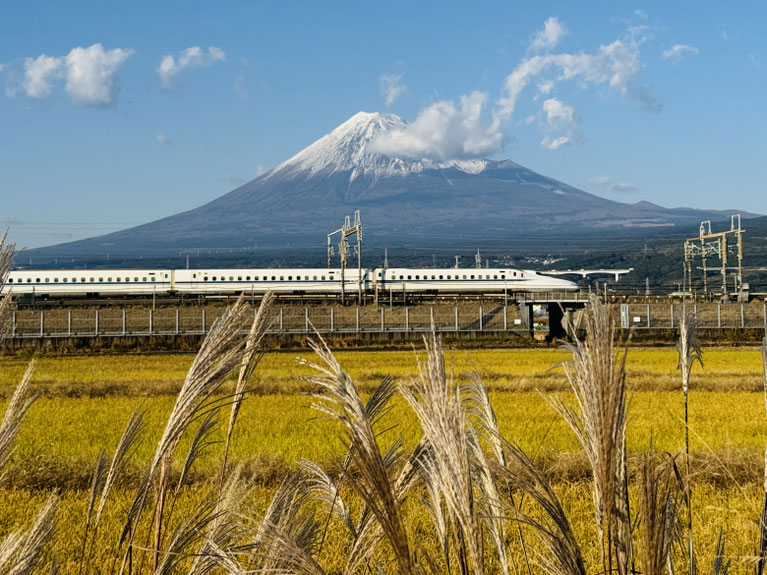
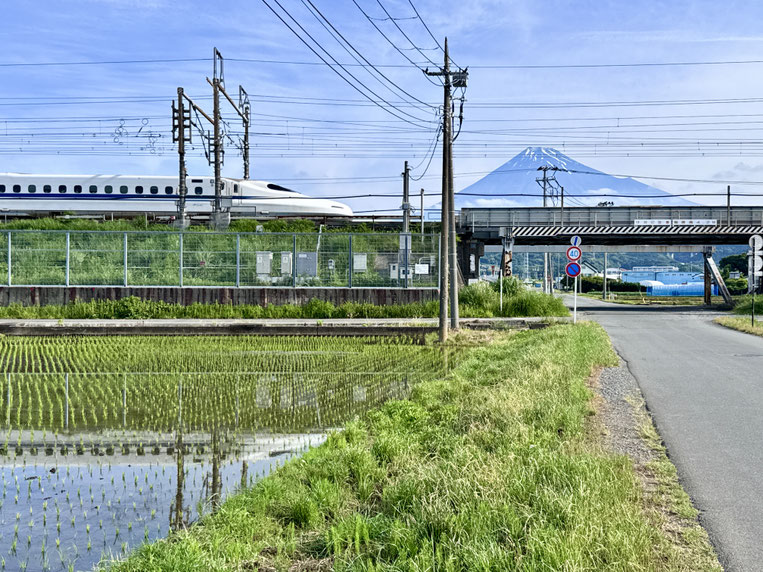
▸ Where to Photograph Mt. Fuji and the Shinkansen
The combination of Mt. Fuji and a passing Shinkansen is one of Japan's most iconic travel photographs. Several photography locations can be found around 6–7 km (4 miles) east of Shin-Fuji Station, where rice fields, farmland, and seasonal scenery create a dramatic foreground for both the mountain and the train.
🗻 Scenic Value ★★★★★
⭐ Popularity ★★★★★
🏡 Local Atmosphere ★★★★★
📍 Accessibility ★☆☆☆☆
Most of these locations are difficult to reach using public transportation alone. They are scattered across rural parts of Fuji City, and some are located along roads that may be unfamiliar to first-time visitors.
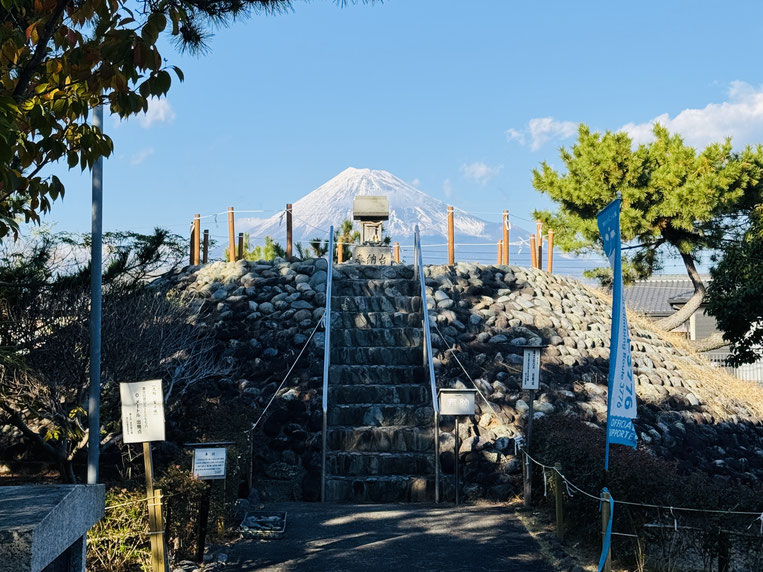
▸ Suzukawa Fuji-zuka (Mini Mt. Fuji Mound)
Suzukawa Fuji-zuka is one of the most overlooked viewpoints in Fuji City. Originally built as a miniature Mt. Fuji for religious worship, it offers a unique perspective of the real mountain beyond a quiet residential neighborhood. The site feels authentic and deeply connected to local history.
🗻 Scenic Value ★★★☆☆
⭐ Popularity ★☆☆☆☆
🏡 Local Atmosphere ★★★★★
📍 Accessibility ★☆☆☆☆
The mound is located on the coastal side of Fuji City in an area that most visitors would never discover by accident. Roads in the surrounding neighborhood can be confusing, and the viewpoint itself is surprisingly easy to miss without local knowledge or careful navigation.
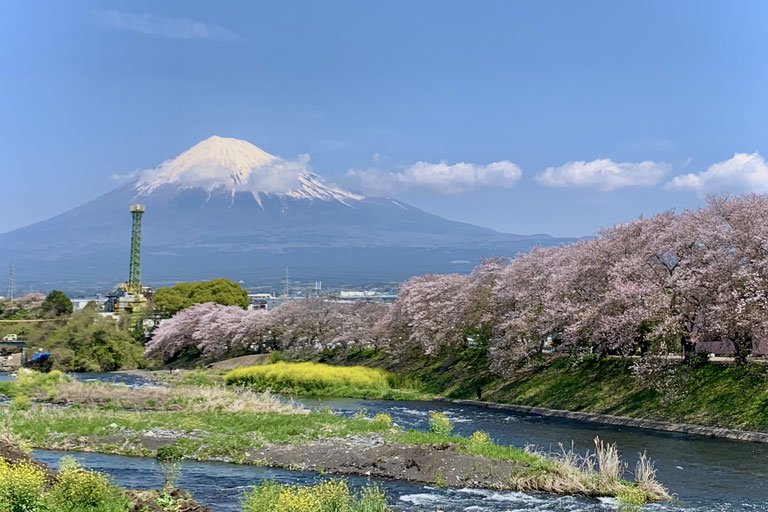
▸ Ryuganbuchi (Cherry Blossom Season)
Ryuganbuchi is famous for its spectacular spring scenery, when cherry blossoms frame Mt. Fuji along the riverside. During peak bloom, it becomes one of the most photographed locations in Shizuoka Prefecture and attracts visitors from across Japan.
🗻 Scenic Value ★★★★★
⭐ Popularity ★★★★★
🏡 Local Atmosphere ★★★★☆
📍 Accessibility ★★☆☆☆
The site is located well beyond the station area. Visitors hoping to combine Ryuganbuchi with several other viewpoints in a single day may find independent travel challenging.
Exploring Fuji City by E-Bike with a Local English-Speaking Guide
Fuji City is a fantastic place to explore by e-bike. Much of the area is relatively flat, and cycling allows visitors to experience not only Mt. Fuji viewpoints but also the everyday scenery that makes the city unique.
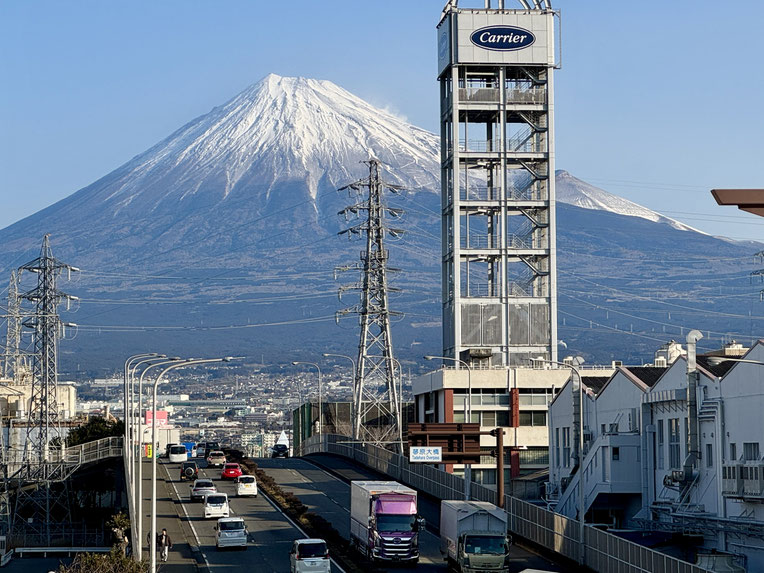
However, the best route is not always the most obvious one. While some roads are quiet and enjoyable to ride, others carry heavy traffic or large industrial vehicles. Choosing the right route can make a big difference to both comfort and safety.
▸ Why Local Knowledge Matters
Not every road in Fuji City is ideal for cycling. Some routes carry heavy traffic, while others are frequently used by large trucks serving the city's industrial areas. Visitors unfamiliar with the area may find themselves on roads that are less comfortable or less enjoyable to ride.
Local knowledge can make a significant difference. Choosing quieter streets often leads not only to a safer ride, but also to more interesting scenery along the way.
▸ Explore Fuji City With NINOMARU
NINOMARU's guided e-bike tours depart from Shin-Fuji Station and are designed for travelers who want to experience a more local side of Mt. Fuji.
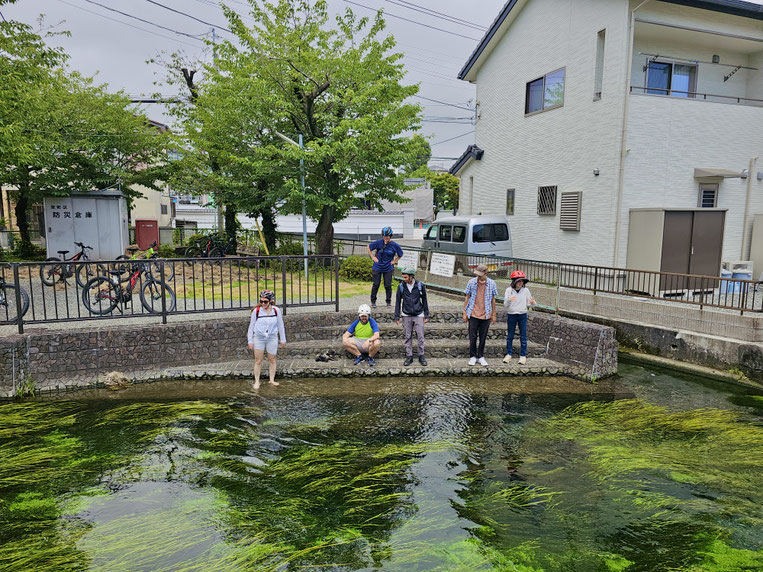
Since first welcoming guests in 2024, local guides have introduced hundreds of visitors to Fuji City and continuously refined the routes based on real-world experience. Rather than simply taking the shortest path between viewpoints, the tours prioritize quieter roads, scenic routes, and locations that showcase the character of the city.
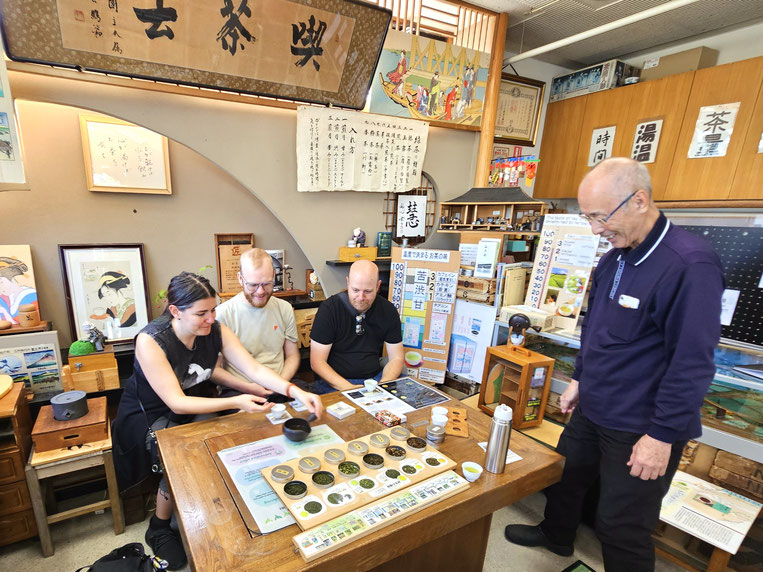
Along the way, guests also have the opportunity to stop at a local tea shop, learn about Japanese tea culture, and enjoy tasting locally produced green tea—an experience that many visitors would never discover on their own.
▸ Places You May Visit on the Guided Tour
Depending on the season, weather conditions, and daily route planning, the tour may include stops such as:
- Fujisan Yume no Ohashi Bridge
- Tagonoura Port Park
- Suzukawa Fuji-zuka
- Mt. Fuji and Shinkansen photo locations
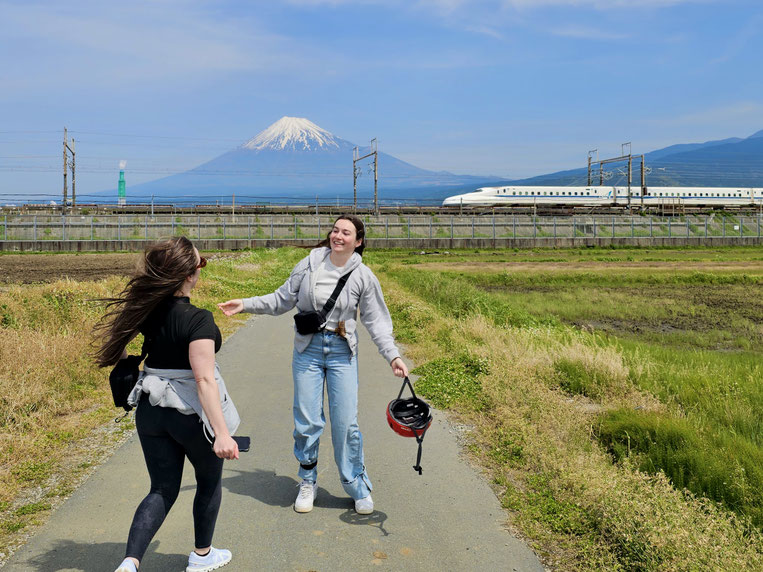
Please note that exact stops may vary from tour to tour depending on weather conditions, seasonal highlights, visibility of Mt. Fuji, and other local factors on the day.
Ready to experience a side of Mt. Fuji that most visitors never see?
Explore Fuji City with a local English-speaking guide, discover hidden viewpoints, learn about Japanese tea culture, and enjoy an unforgettable day beyond the usual tourist routes.